Have you tried this cream? I’m a little mind blown at how amazing it works 🙂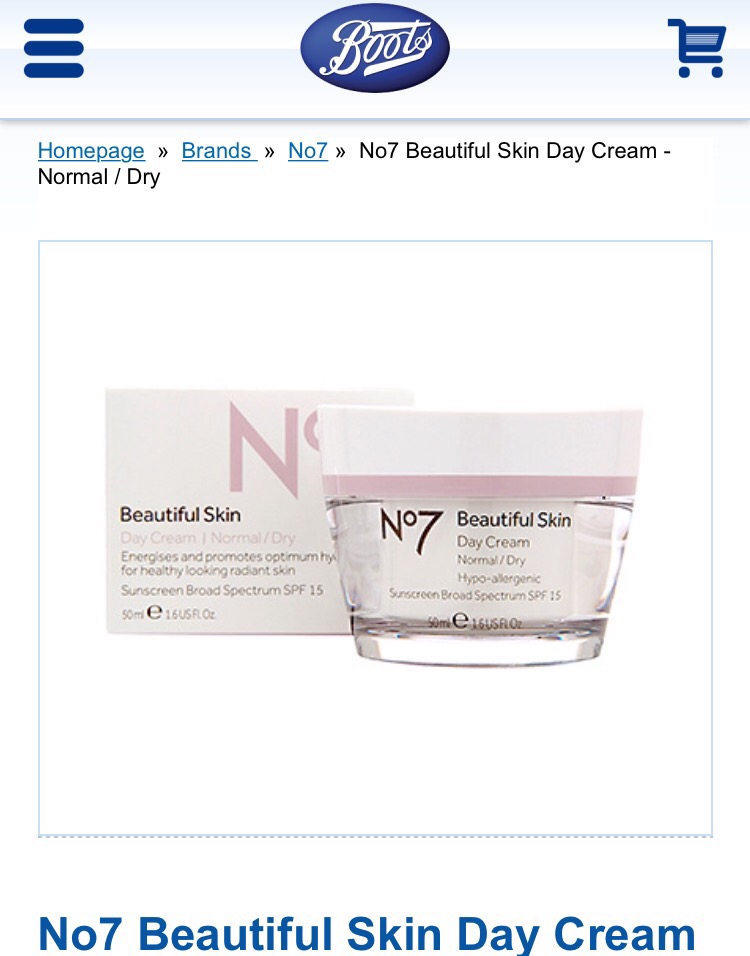
face
It Happens To Everyone
Lighter Face darker body
Your skin changes color throughout the year
Here are a few tips to help out 🙂

Test colors in natural light
Add liquid bronzer to bring color to your face (my personal fav)
You can get a shade that matches your face and neck and then use a bronzing powder to blend into the face, neck & chest
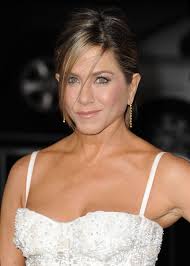
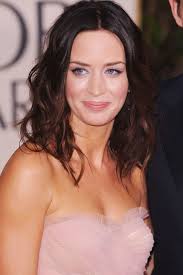
 I always add a liquid bronzer all over my face so it can match my body.
Soft Glam No Contour

Here’s how I created the look. Hope you enjoy!
Face
Bare minerals prime time in brightening
Dior Forever flawless perfection in 031
Mac blush in stay pretty
Eyebrows
Anastasia Beverly Hills clear brow gel
Brow wiz in the color med.brown
Eyebrow powder in dark brown
Eyes
No eyeshadow primer
Age rewind concealer in neutralizer & brightener
Mac pro longwear concealer in NC 30
Nars eyeliner stylo in brown
Lancome Hypnose mascara
Eyeshadow in I-528, I-514 & D-562 from the Makeup Forever Artist Pallette Vol.1 Nudes
Nyx wonder pen in medium for waterline
Clinique bottom lash mascara in black/brown
Lower eye pencil is from Sephora in the color dark brown (smudged it with my finger)
Lips
Lipliner in chestnut by Laura Mercier
Loreal longwear #205
Lipgloss in nectar also by Laura Mercier
Brushes
Beauty blender
Morphe G6
Mac brush #168
Mac angle brush #208
Motives contour brush #128


http://www.anastasiabeverlyhills.com
http://www.dior.com/beauty/en_us/home.html
http://www.lorealparisusa.com/en/Products/Makeup.aspx
Shiseido Purifying Cleanser Review
Leaves skin feeling refreshed & clean without over-drying
Cleanser has a cream texture with micro-granules
Removes all traces of makeup, except mascara
Pea size amount is great for face & neck
Foams up to provide a good lather

 Below are the ingredients
Silica– Silica is a mineral found naturally in sandstone, clay, and granite, as well as in parts of plants and animals, and is used as a versatile ingredient in the cosmetics and skin care industry because of its ability to serve as a an abrasive, anticaking agent, bulking agent, opacifying agent and suspending agent. However, it is most often seen as an absorbant, because of its ability to absorb moisture and sweat, according to CosmeticsCop.com and CosmeticsInfo.org. Silica is seen in many make up formulas because its spherical particles not only absorb sweat and oil, but prevent light reflection, and improve spreadability. Silica is also used as an ingredient in powder perfume because the porous spheres can deliver fragrance over a long period of time
Betaine– An amino acid. Also known as Trimethylglycine or glycine betaine. Primarily functions as a humectant and anti-irritant in cosmetic products. The small polar molecules of this ingredient are prone to hydrogen bonding (AKA interacting with water), which in turn gives it the ability to retain moisture. It’s able to give superior hydration to the skin, without the residual stickiness often associated with glycerin based emulsions. When used in skin care products, it can temporarily decrease the depth of wrinkles, giving the face a much smoother appearance. Its specific molecular structure is also responsible for giving it unique solvent powers and sensory properties, such as a silky and smooth feel. Its “silk effect”, in turn, is the reason for why it’s used in so many hair shampoos and conditioners.
Sodium Benzoate– a salt of Benzoic Acid, found naturally in cranberries, prunes, plums, cinnamon, ripe cloves, and apples and used as a preservative in cosmetics and personal care product formulas as a fragrance ingredient, masking ingredient, anti-corrosive agent, and most frequently, as a preservative. As a preservative, it prevents bacteria and fungi from developing in products and formulas and changing their compositions (Wikipedia). When combined with caffeine in Caffeine Sodium Benzoate, it can have a sunscreen effect, and provide UVB protection with antioxidant activity.
BHT – used as preservatives in many foods, cosmetic products and drugs. In cosmetics, these ingredients are found mainly in shampoos, deodorants, body lotions and make-up, usually at a concentration of 0.1% or less
Butylphenyl Methylpropional – Used as a fragrance additive. You can find it in various personal care products such as perfume, aftershave lotion, hair shampoo/conditioner, hair dye, moisturizer and body wash.
Hexyl Cinnamal– fragrance additive
Limonene– colorless liquid with a light, fresh, and sweet citrus odor used to make fragrances and flavors. It is naturally occurring substance found in many citrus fruits
Peg-90M– acronym for polyethylene glycol. Various forms of PEG compounds are mixed with fatty acids and fatty alcohols to create a variety of substances that have diverse functions in cosmetics, including acting as surfactants, binding agents (to keep ingredients blended), stabilizers, and emollients
Trehalose– Plant sugar that has water-binding properties for skin
Disodium edta– It primarily works as a preservative, chelator and stabilizer, but has also been shown to enhance the foaming and cleaning capabilities of a cosmetic solution
sodium methyl cocoyl taurate – It is labeled as a surfactant and foaming agent
Cocamidopropyl Betaine – fatty acids bound to amidopropyl betaine, the fatty acids in Cocamidopropyl Betaine are derived from coconut oil.
cera alba– Beeswax is one of the most commonly misunderstood cosmetic ingredients. It is actually great for helping hold in moisture and prevents clogging of pores
alcohol denat– When fats and oils are chemically reduced, they become a group of less-dense alcohols called fatty alcohols that can have emollient properties or can become detergent cleansing agents. In some benign forms, they are glycols used as humectants that help deliver ingredients into skin
dipropylene glycol– A synthetic slip agent and penetration enhancer
glycerin– glycerin works because of its ability to attract water from the environment and from the lower layers of skin (dermis) increasing the amount of water in the surface layers of skin. Another aspect of glycerin’s benefit is that it is a skin-identical ingredient, meaning it is a substance found naturally in skin. In that respect it is one of the many substances in skin that help maintain the outer barrier and prevent dryness or scaling
lauric acid– Lauric Acid is the main fatty acid in coconut oil as well as palm kernel oil; it is also found in human milk, cow’s milk, and goat’s milk. It is used in beauty products and skin care because of its moisturizing abilities, and is also recognized as an acne-fighter thanks to its anti-microbial properties
potassium hydroxide– A pH adjuster and buffering agent
polyethylene– A versatile ingredient seen as an emulsion stabilizer, viscosity increasing agent, and binding agent
myristic acid– variety of uses in the beauty industry, including as a: Fragrance Ingredient; Opacifying Agent; Surfactant; Cleansing Agent; and Emulsifier
stearic acid– Good emulsifying & thickening properties (stabilizes emulsions), gives soft waxy, pearly & cooling feel on the skin.
 Evalyn Michelle